 Dailytech
SpaceX Calls for Tighter Orbital Coordination After Starlink Close Calls
Space·October 9, 2026
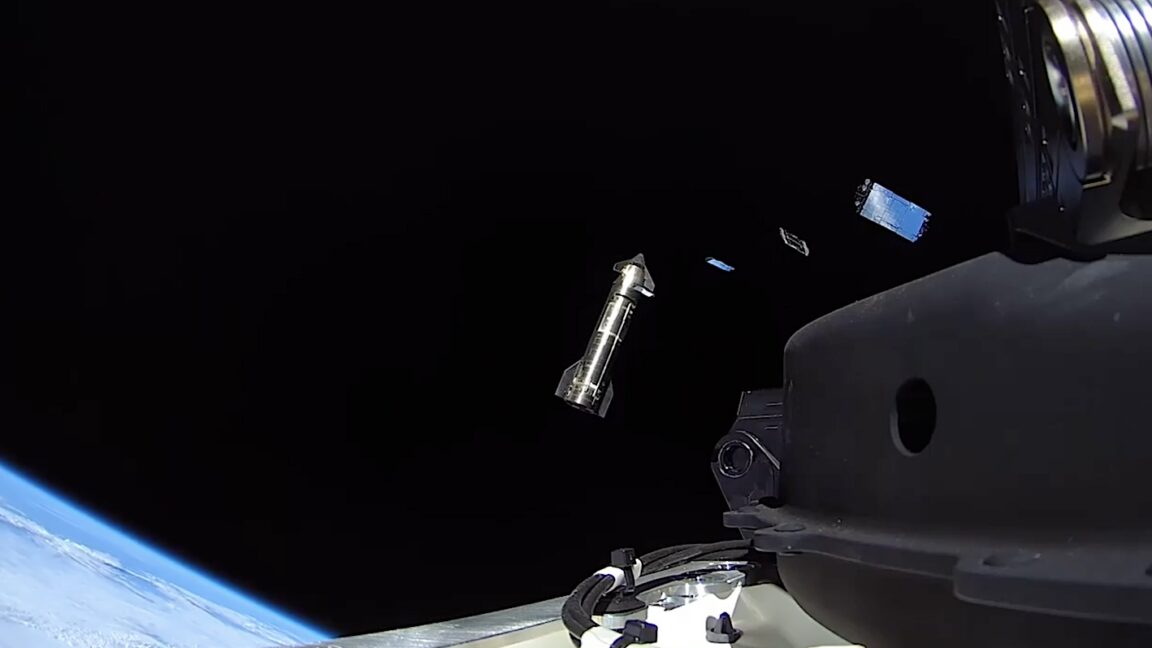
SpaceX is calling for better coordination among satellite operators after a run of near-misses involving its Starlink fleet. The company says the recent encounters produced conjunctions of tens of meters to a few hundred meters, a margin it describes as far too close for comfort.
A conjunction is the term for a predicted close approach between two orbiting objects. These predictions are routine in low Earth orbit, which is now crowded with active satellites, spent rocket stages, retired spacecraft and fragments of debris. Most close approaches resolve without any action, and operators decide whether to adjust an orbit based on tracking data and shared warning services. The trouble starts when the predicted miss distance shrinks to tens of meters, because small errors in those predictions can then make the difference between a safe pass and a collision.
Starlink is the largest constellation in orbit, so it sits at the center of these discussions by default. Its satellites are designed to avoid obstacles autonomously, and the company has previously said it performs avoidance maneuvers when the risk passes a set threshold. The new message, though, points to a problem that no single operator can fix alone. Faster and more reliable data exchange between operators, and clearer agreement on which party should maneuver when two satellites are on a collision course, would reduce the chance of a close call turning into a real one.
The statement does not appear to lay out specific new rules, so what comes next remains open. Government regulators and industry groups have discussed space traffic management for years, and incidents like these tend to add pressure to those efforts. For now, the message is a clear signal from the largest operator in orbit that the margins are shrinking and the current arrangements may not be enough.
Reporting based on an external source.