 Dailytech
Nvidia Bets on Full-Stack Safety for Physical AI
Robotics·October 9, 2026
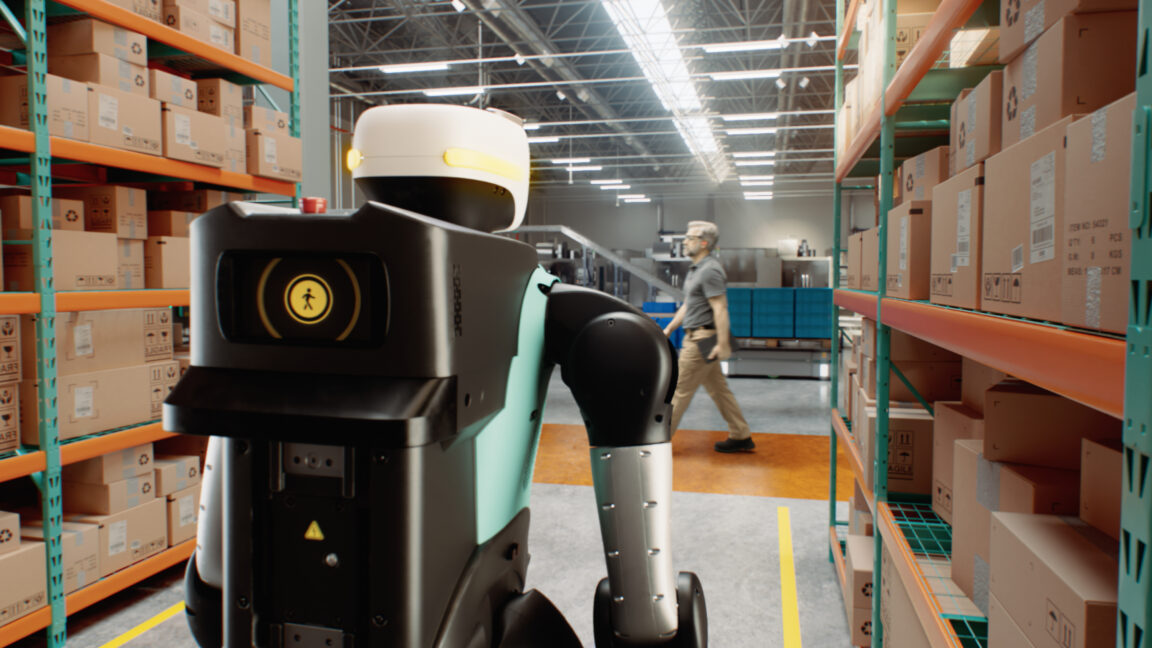
Nvidia is betting that the next major test for artificial intelligence will happen in the physical world rather than on a screen. The chipmaker is promoting a full-stack safety solution for what it calls physical AI, the class of systems that sense their surroundings and act on them, such as self-driving cars and humanoid robots.
The core pitch is that safety cannot be added at the end. Rather than offering a single chip or a single software layer, the company is packaging hardware, software and validation tools as one system, so the same framework governs how a machine senses, reasons and moves. Robotics companies are already using it, according to the announcement.
Why does this matter? Autonomous vehicles and humanoid robots have to handle unpredictable situations, from a pedestrian stepping off a curb to a warehouse aisle that suddenly fills with people. Mistakes in those settings carry real physical risk, which is why regulators, insurers and customers tend to ask harder questions about how these systems are verified than about how quickly they learn.
That is where a full-stack approach gets its appeal. A developer that uses one vendor's tools across simulation, onboard computing and safety checks can, in theory, trace a problem from the sensor to the motor command and fix it in one place. Skeptics will point out that a vendor-supplied safety stack also deepens dependence on that vendor, and that any platform is only as credible as the independent testing behind it.
The announcement reads more as a strategic signal than a finished product story. The source material does not detail how the safety system is certified, which companies are running it in production, or how it performs in real-world deployments, so those questions remain open. What is clear is that Nvidia wants to be the default foundation for physical AI, and it sees safety as the argument most likely to win over automakers and robot builders.
Reporting based on an external source.