 Dailytech
Neanderthal Wooden Tools From Spain Survived as Stone Casts
Science·October 11, 2026
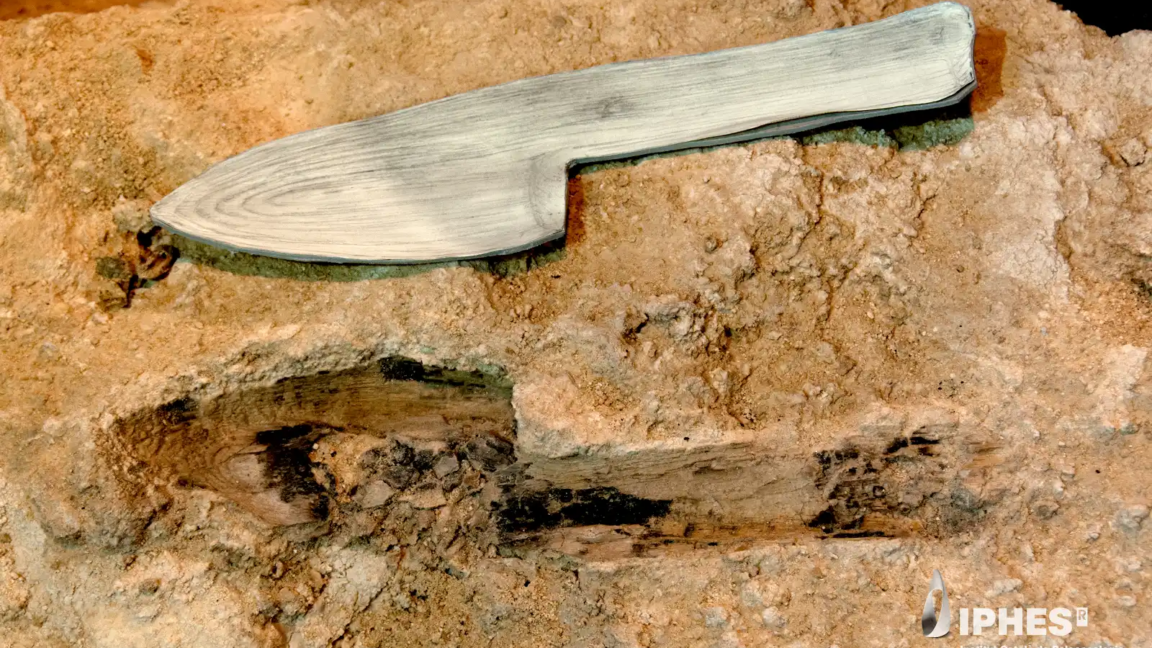
Wood almost never survives in the archaeological record. It rots, burns or gets crushed, which is why most of what we know about early tool-making comes from stone implements and marks left on bone. A new find from Spain suggests another route to the evidence: the wood was not preserved as wood at all, but as stone.
The process works roughly like this. Water carrying dissolved minerals moved over and around the wooden tools. As the water dried out or its chemistry shifted, the dissolved rock came out of solution and built up a hard layer against the surface. Later, the wood inside broke down and disappeared, leaving a hollow mineral shell that kept the outline of the original object and, in many cases, fine surface detail.
That is what makes the discovery useful. Organic material generally does not last for tens of thousands of years outside unusual conditions, so a cavity in rock that holds the shape of a Neanderthal implement is close to direct evidence of what was made and how it was shaped. It gives researchers something to measure, rather than only inferring that wooden tools existed.
Reading these casts takes care. A hollow in rock can resemble a tool without being one, so researchers have to compare the shapes against known tool forms, examine the mineral layers and look for signs of working. The method also cannot reveal everything about the wood itself, such as its species, because the organic material is gone.
Even so, the find is a reminder that the ground can hold records of activities that never left a trace on the surface. As more sites are examined with this kind of attention, the picture of Neanderthal technology may keep filling in in ways that older excavations could not capture.
Reporting based on an external source.