 Dailytech
Inside the Scanner: What Psilocybin Does to the Brain During Meditation
Neuroscience·October 11, 2026
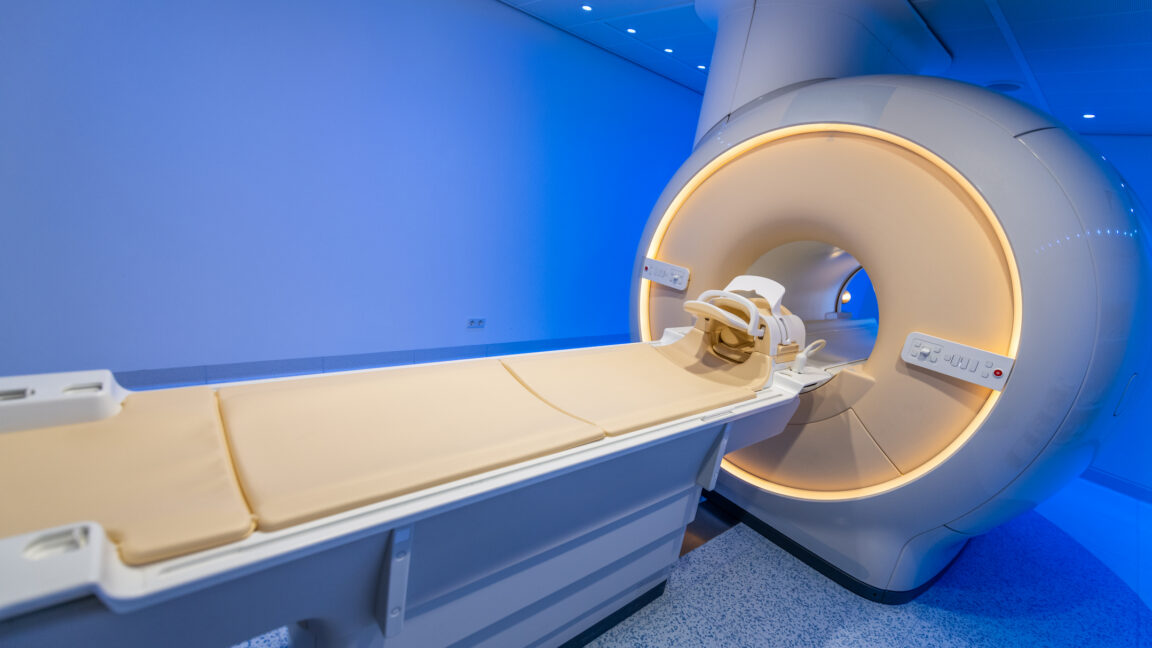
A new study looks closely at what happens inside the brain when people meditate under the influence of psilocybin, the psychoactive compound found in certain mushrooms. Participants lay in an MRI tube while meditating, first without the drug and then with it, so researchers could compare brain activity across the two conditions.
The study is built around a question its title spells out: are people more likely to feel "one with the world" on psilocybin? Psychedelic researchers have long heard from users who describe their sense of self loosening and their boundaries with the people and places around them blurring. Those accounts are vivid but subjective. A scanner offers a way to check whether such reports line up with measurable changes in neural activity.
The comparison is the key design choice. Meditation alone is known to shift patterns of brain activity, so a session without the drug serves as a baseline. Setting it against the same practice with psilocybin lets researchers try to separate what the drug adds from what meditation already does.
Studies like this one tend to be small, and brain imaging shows correlations rather than explanations. Results of this kind are usually read as a step toward understanding what people experience on psychedelics, not as proof of any therapeutic benefit. The short description of the work does not spell out every finding, so readers who want the specific brain regions and measurements involved will need the full paper.
Reporting based on an external source.