 Dailytech
Long-Haul Seabirds Can Get Jet Lag on the Way Home
Science·November 1, 2026
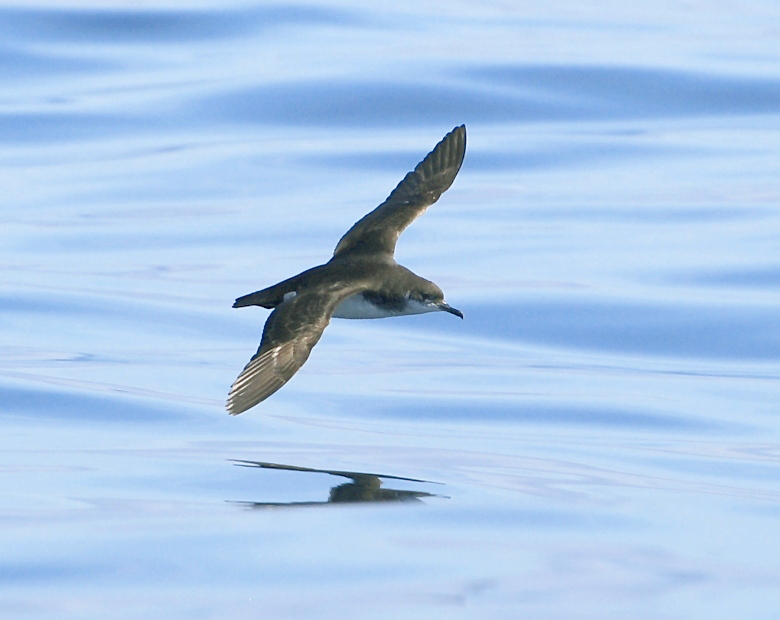
Many seabirds spend weeks at sea, travelling hundreds or even thousands of kilometres to find food before flying back to their nesting colonies. That trip home, it turns out, can leave them out of sync with the world they are returning to, and the cause looks a lot like the jet lag that plagues airline passengers.
Animals keep time with internal biological clocks that are reset daily by cues such as sunrise, sunset and temperature. When a bird makes a long, fast journey, its body can keep running on the rhythm of the place it left while the light and dark around it follow a different schedule. The mismatch is the core of jet lag, whether the traveller is a person on a transatlantic flight or a bird crossing open water.
The finding matters because timing is central to how seabirds raise their chicks. Parents have to arrive, feed and leave on schedules that fit the daily cycles of their prey and the needs of their young. If a bird's internal clock lags behind, it may misjudge when to hunt, rest or swap duties with a mate. Over time, those small errors could add up to lower breeding success, particularly for species that already face shrinking food supplies.
The research also points to a broader question for conservation. Seabirds are among the most travelled animals on Earth, and many populations are declining because of overfishing, pollution and climate change. Understanding how their bodies cope with the strain of long flights helps scientists judge how much stress these species can absorb as oceans warm and prey shifts location.
For now, the takeaway is that a bird's journey home is not just a matter of distance. Like a long-haul passenger who needs a few days to adjust, a seabird may arrive physically intact but temporarily out of step with the rhythm of its home.
Reporting based on an external source.