 Dailytech
Fujifilm Plans Fivefold Tape Boost as AI Revives Old Storage Format
Storage·November 1, 2026
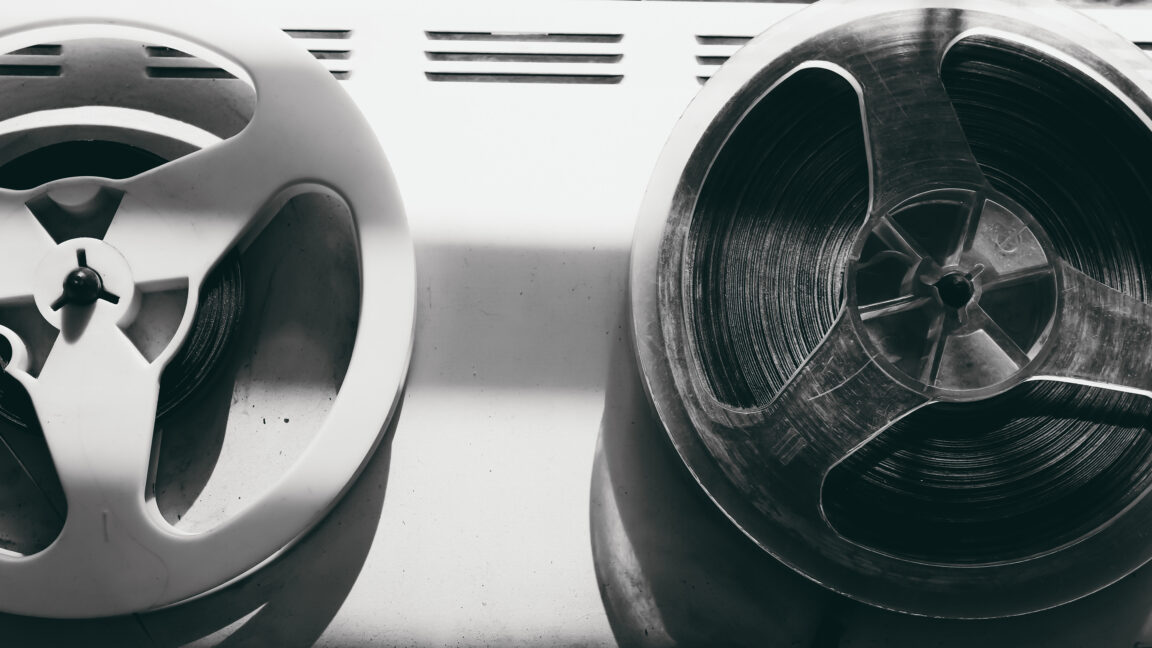
Fujifilm plans to increase its magnetic tape production roughly fivefold, a bet that a storage format many people associate with the 1990s is about to get busier. The driver is artificial intelligence. Training and running AI models generate huge volumes of data, and much of it must be kept for long periods, which pushes companies to look hard for the cheapest place to store it.
That place is often tape. Keeping data on spools of magnetic media costs considerably less per terabyte than keeping it on spinning disks or flash, and a cartridge sitting in a vault is offline by default. That matters for security. Many attacks, including ransomware, depend on reaching data over a network. A tape that has been unloaded from its drive is out of reach until someone physically loads it, which is why many organizations treat tape as a last line of defense for backups and archives.
Tape is slow to access compared with disk, so it will not replace storage that applications use every day. Its strength is holding large amounts of data that is rarely touched but must survive for years. That includes research archives, media libraries, medical imaging, and compliance records. The AI boom enlarges that category, because raw training datasets, model checkpoints, and records of model outputs all have value that companies do not want to lose or delete.
The planned expansion also signals that suppliers expect the demand to last. Tape manufacturing is a small, specialized market, so a fivefold increase would be a significant move for any producer. It suggests that the people who make the media see archiving needs growing faster than the older tools can comfortably handle.
The larger point is that tape is not a relic. It is an old technology that remains cheap, durable, and difficult to attack remotely, and the current surge in data is giving it a fresh reason to matter. How much capacity the market will actually need depends on how quickly AI-related archiving grows, and that is still an open question. For now, the direction is clear: tape libraries are getting busy again.
Reporting based on an external source.