 Dailytech
Smarter Software Pulls Sharper Exoplanet Images From Webb Data
Space·November 5, 2026
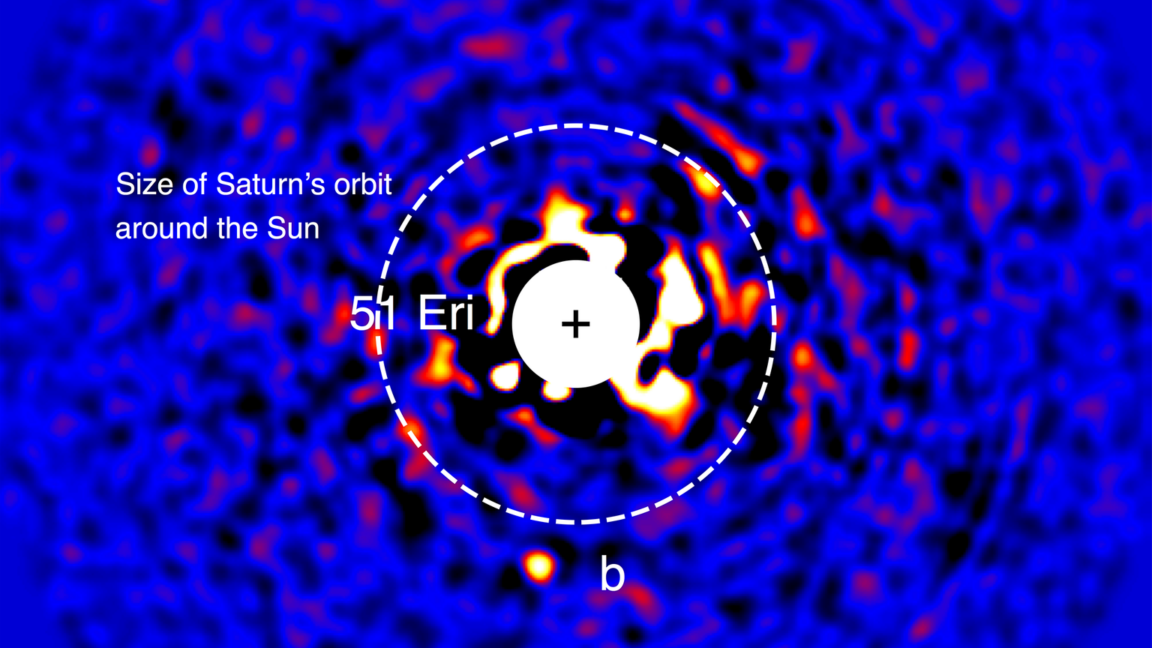
Photographing a planet orbiting a distant star is one of the hardest jobs in astronomy. The planet is faint, and its host star can be millions of times brighter, so starlight and the telescope's own optical quirks can easily swamp the signal. The James Webb Space Telescope is sensitive enough to see these worlds directly, but the raw data carries noise that has to be stripped away before a planet becomes visible.
A new approach tackles that problem in software. Rather than relying only on image cleanup after the fact, the method builds a physical model of the telescope, describing how its mirrors and instruments shape the light that reaches the detector. The software then adjusts that model until it best matches the observations, which allows it to separate errors introduced by the instrument from real signals coming from the target.
The payoff is cleaner data from the same observations. Because the model reflects the telescope's actual physics instead of generic image filters, the results are more likely to show what is really in the sky. That matters for exoplanet work, where a faint point of light can decide whether a candidate is a genuine detection or an artifact of the instrument.
The technique does not require new hardware, which makes it a practical way to get more science out of observations Webb has already collected. It also reflects a wider trend in astronomy: as instruments grow more complex, detailed modeling of how they behave can recover information that raw data would hide.
Reporting based on an external source.