 Dailytech
Light Wins the Nobel: How Algae Evolved Into Neuroscience's Most Powerful Tool
Science·October 7, 2026
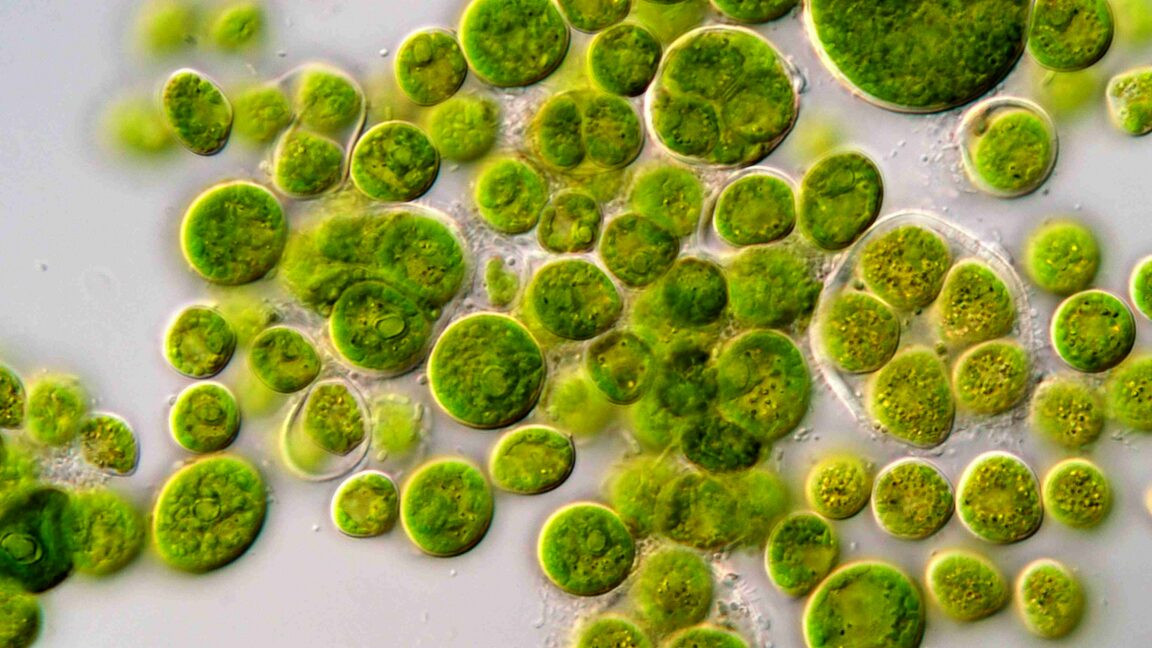
Optogenetics works because certain algae evolved light-sensitive proteins to navigate their watery worlds. When researchers discovered they could insert these proteins into mammalian neurons, a new era opened. Shine the right wavelength of light on a modified nerve cell, and it fires or falls silent on command. The technique transformed neuroscience from observing the brain to orchestrating it.
The implications ripple across medicine and basic research alike. Neuroscientists mapped brain circuits with unprecedented clarity by selectively activating subsets of neurons. Researchers probed the neural roots of depression, addiction, and movement disorders. Some clinical trials are now exploring whether optogenetics could restore vision to people blinded by retinal degeneration or treat Parkinson's disease. The Nobel Committee's recognition reflects how thoroughly optogenetics has reshaped the discipline.
What makes the story particularly striking is how completely unexpected this path would have seemed. Evolution gave algae light-sensitive opsins for survival in sunlit shallows. For eons, those proteins served no other purpose. Then human ingenuity borrowed them, transplanted them into mouse brains, and created a tool so elegant and powerful that it remade modern neuroscience. The algae never needed to know their ancient gift would one day let us see inside the minds of living creatures.
Reporting based on an external source.