 Dailytech
Googlebook Brings Android to the Laptop, but Still Feels Like a Phone
Reviews·October 18, 2026
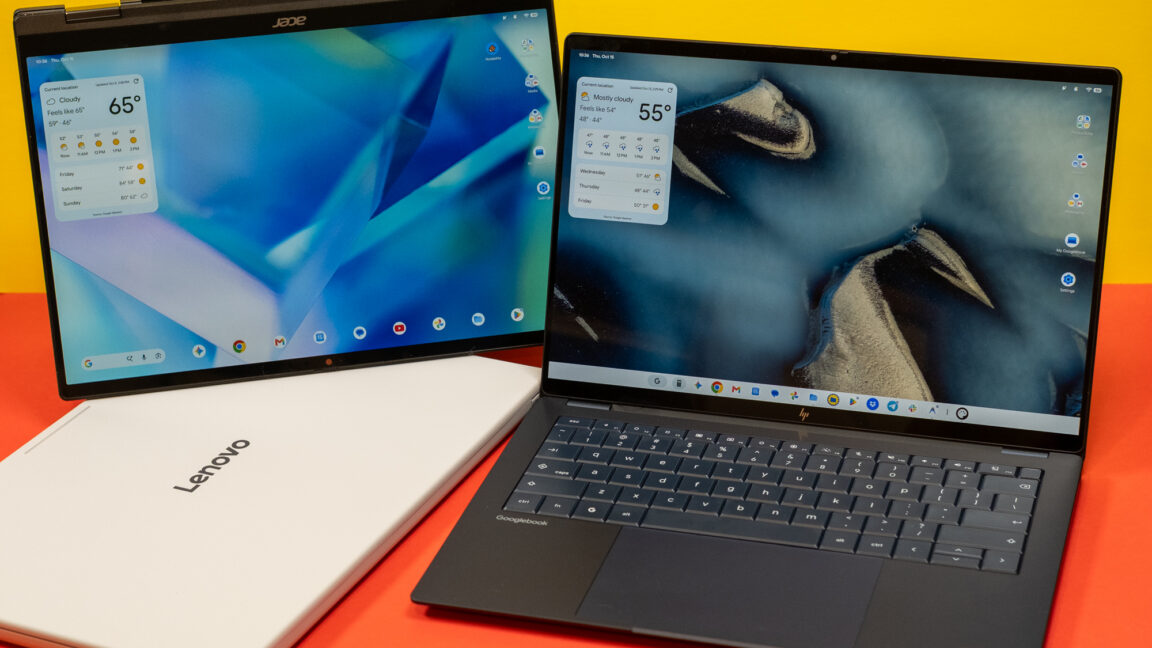
Android laptops are no longer a hypothetical. Googlebook is the clearest sign yet that Google's mobile operating system can live on a clamshell with a keyboard and trackpad. The more useful question is whether that move turns a laptop into a real computer or just makes a phone bigger.
Based on the review's headline, the answer so far is the second one. Android was designed around touch, short sessions and apps that each fill the whole screen. Laptops ask for something different: windows that resize freely, a dependable taskbar, keyboard shortcuts that work everywhere, and files that are easy to find. Android has been picking up pieces of this for years, but the gaps become obvious as soon as you try to juggle more than one app at a time.
That is the central tension. Many Android apps were never built for a wide display, so they stretch, letterbox or behave as if they belong on a phone. Even well-made ones can look out of place next to a web browser or a native desktop program. Google can make the hardware as polished as it likes, but the software is what decides whether the machine earns a spot in someone's bag.
Googlebook ends up in an awkward middle ground. It proves that a laptop can run Android. It does not yet prove that Android is the right choice for people who spend their day in productivity tools. The takeaway is that Google has a lot of work ahead, and most of it is in software: optimizing apps for large screens, refining window management and making sure the keyboard and pointer feel built in rather than bolted on.
For buyers, the practical advice is to treat this as a promising direction rather than a finished product. If your laptop use is mostly browsing, streaming and messaging, the familiar Android experience may be enough. If you depend on specific desktop software or heavy multitasking, it makes sense to wait and see how quickly Google closes the gap.
Reporting based on an external source.