 Dailytech
Did a churning mantle carve out the Great Unconformity?
Science·November 6, 2026
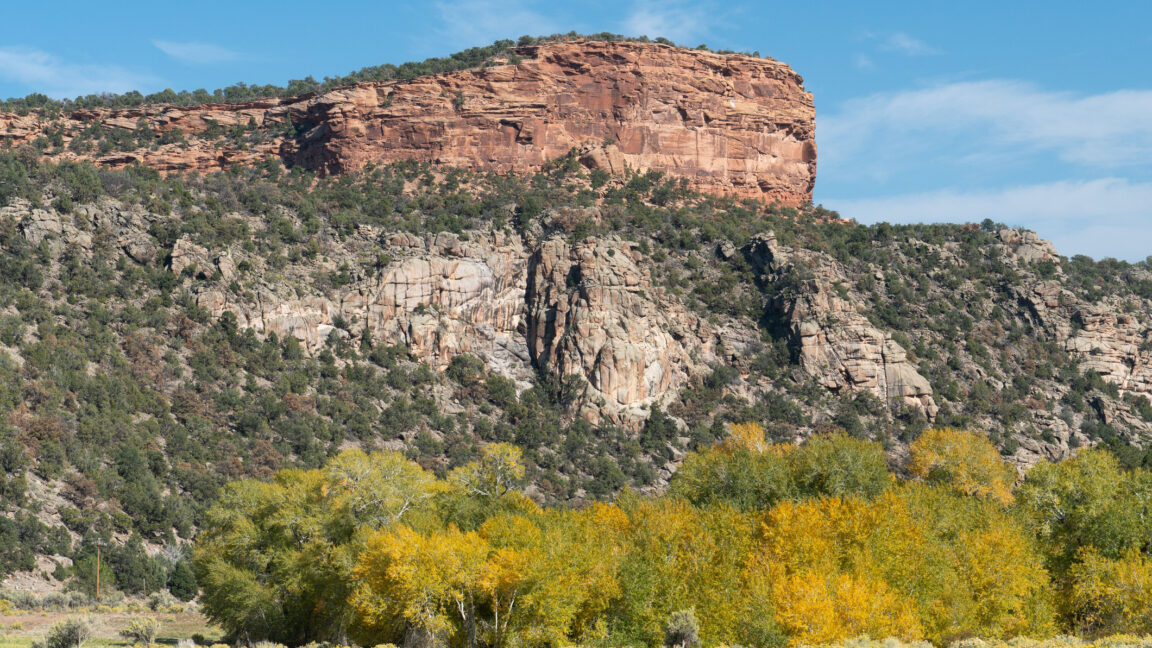
Walk down into the Grand Canyon and you can see one of geology's strangest gaps. Horizontal layers of Cambrian sandstone, roughly 500 million years old, rest directly on steeply tilted, far older Precambrian rock. Between them sits no record at all. The missing stretch of time amounts to more than a billion years in places. Geologists call the boundary the Great Unconformity, a name John Wesley Powell gave it in the 1800s, and it turns up across much of North America and in other continents too.
The puzzle has always been what removed so much rock. The usual answers point to the surface: glaciers, rising and falling seas, or uplift that exposed ancient rock to millions of years of rain, wind and rivers. Those processes can explain some of the erosion, but many researchers have felt they fall short of explaining how such a vast area was stripped so thoroughly and so widely.
A newer line of thinking looks deeper. The mantle, the thick layer of hot, slowly flowing rock beneath the crust, moves in large convection currents. As material rises and sinks, it pushes the surface up and pulls it down over long periods, a process geologists call dynamic topography. In this view, a large patch of continent could be lifted by upwelling mantle, exposed to weather for hundreds of millions of years, and then gradually sink again. When the land dropped, seas flooded in and laid down the Cambrian sediments that now sit on top of the eroded surface.
The appeal of the idea is that it links a surface feature to the slow engine of the planet's interior. It also helps explain why the gap appears across so many distant regions, since broad mantle motions could affect entire continents at once. The mechanism does not need to be tied to a single local event.
It is still a hypothesis, and scientists will want to test it against more rock records, dated sediments and computer models of mantle flow before treating it as settled. Other causes may have contributed, and separating the effects of tectonics, climate and sea level remains difficult. Still, the proposal shifts attention from the rocks at the surface to the forces working far below them, and it offers a way to connect one of the most dramatic gaps in the geologic record to the long, slow churn that shapes the planet.
Reporting based on an external source.