 Dailytech
Crows process visual information about twice as fast as mammals, study suggests
Science·October 24, 2026
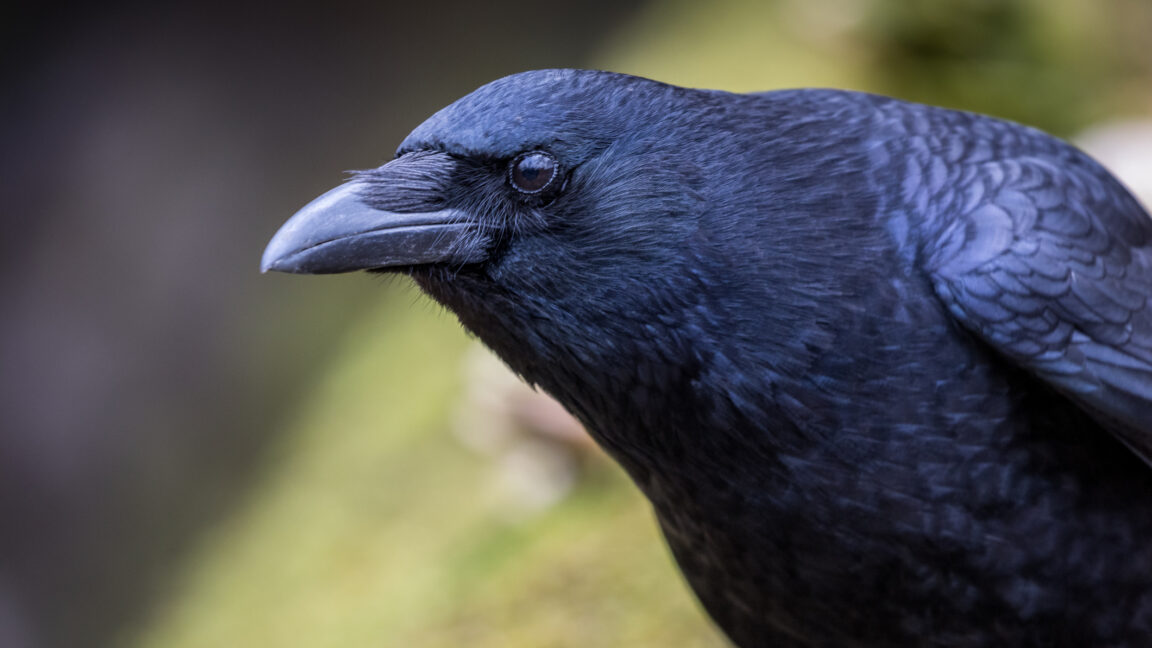
Crows may be able to make sense of what they see much faster than many mammals, according to new research that points to the bird's compact nervous system as a key reason.
The headline finding is that crows can evaluate visual information about twice as fast as mammals. The summary of the work does not spell out which mammals were compared or how the test was run, so the size of that gap should be read with some caution until the full study details are available.
What makes the result interesting is the brain behind it. Birds carry a lot of cognitive capacity in a small skull. Their forebrain packs neurons densely, and the regions tied to higher thinking are arranged differently from the layered cortex found in mammals. Corvids, the family that includes crows, ravens and jays, have repeatedly matched or beaten some primates on problem-solving tasks despite that different architecture.
Researchers have offered a plausible link between that layout and speed. When neurons sit closer together and circuits are tightly organized, signals may need less time to travel from one processing stage to the next. That would let a crow take in a visual scene and act on it quickly, which matters for an animal that must spot food, predators and rivals in a fast-changing environment.
The work fits a broader shift in how scientists think about animal intelligence. For years, brain size and cortex structure were treated as rough measures of smarts. Studies like this one suggest that how a nervous system is wired, and how fast it can use what it receives, may matter as much as its overall scale.
Reporting based on an external source.