 Dailytech
China's Snooping Around Pacific Undersea Cables Puts Big Tech on Notice
Security·October 29, 2026
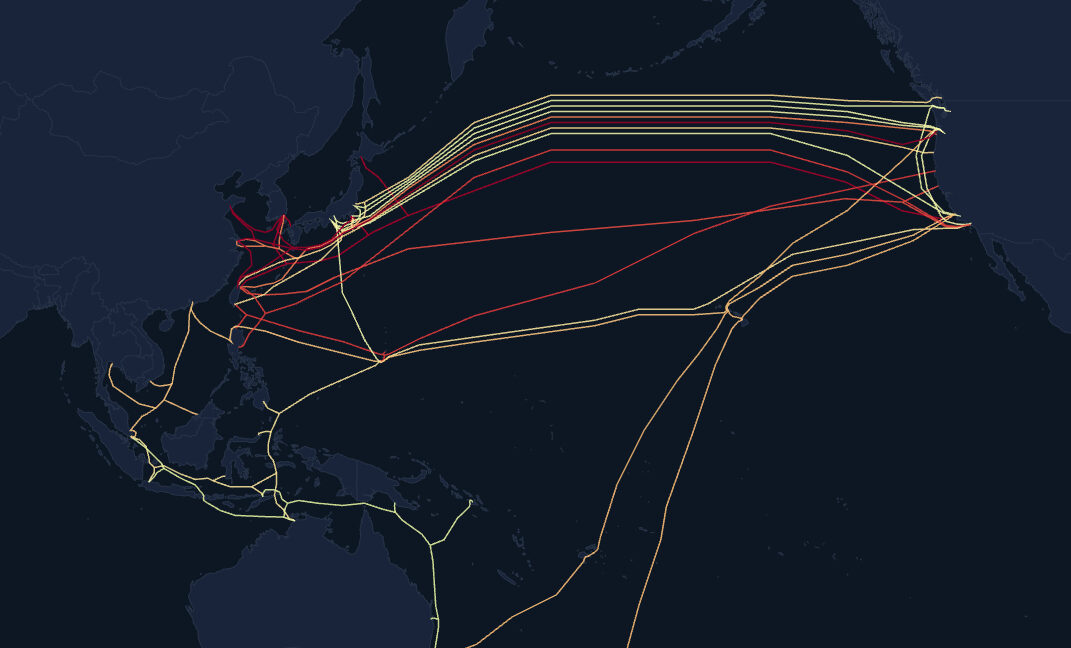
Most of the data that moves between North America and Asia travels through undersea fiber, not satellites. The cables that cross the Pacific carry video calls, cloud traffic and financial transactions, and a growing share of them are owned or leased by American technology companies that run their own networks to reach data centers and users overseas. That dependence is now drawing attention to how exposed those links are.
The concern has two sides. The first is physical. Cables lie across the seabed for thousands of kilometers, often with little protection, and a cut or deliberate damage can take days or weeks to repair. The second is intelligence. Access points on the seafloor, at landing stations and along maintenance routes give whoever controls them a chance to observe or tap traffic, and reports of suspicious activity near cable routes have fueled worries that China could gather information or prepare to disrupt these networks in a crisis.
For Big Tech, the stakes are commercial as much as strategic. A single damaged route can slow services for customers across several countries and force costly rerouting. It can also expose companies to questions from regulators and customers about how well their data is protected in transit.
Companies and governments have responded with more route diversity, tighter security requirements for new cable projects and closer monitoring of the seabed. How quickly those steps close the gap is still unclear, and the source material does not settle how much of the risk is current versus potential. What is clear is that the Pacific cable network has moved from a background piece of infrastructure to a security issue that the industry can no longer treat as routine.
Reporting based on an external source.